Old Town Alexandria Walkability for Everyday Living
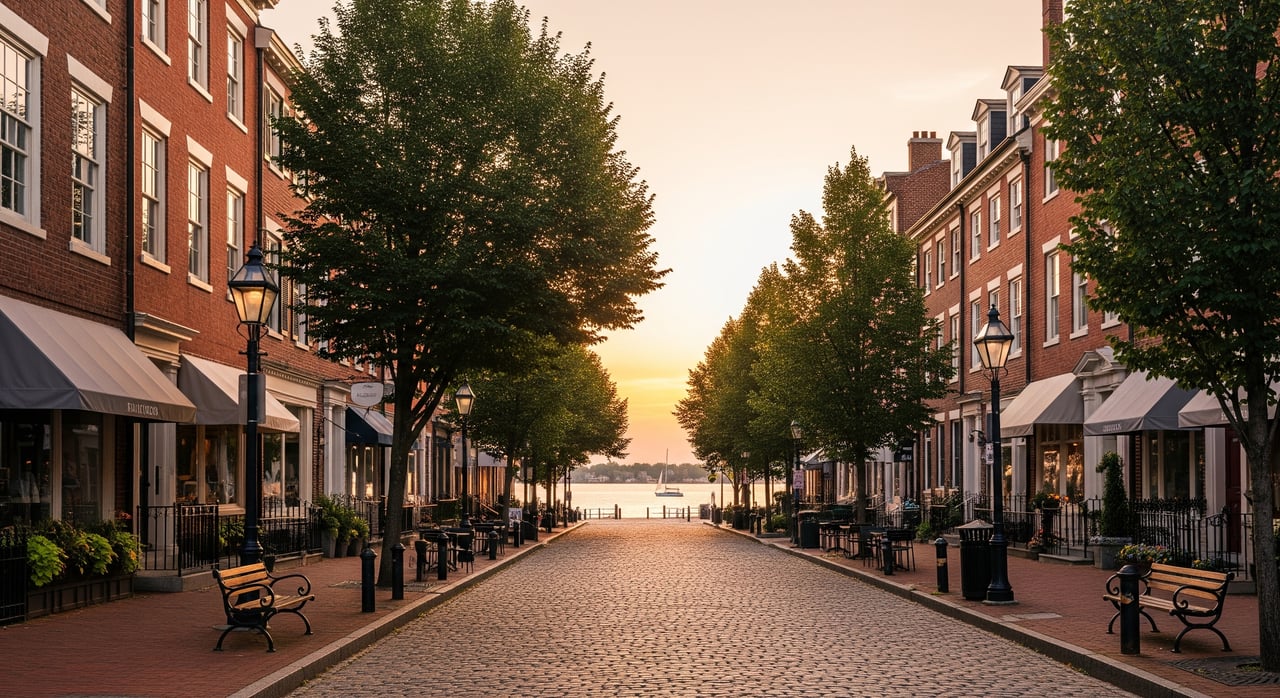
Dreaming of a place where your morning latte, a waterfront stroll, and dinner with friends all fit into a quick walk? In Old Town Alexandria, that is everyday life for many residents. If you value charm and convenience with strong transit access to D.C., Old Town often checks the right boxes. In this guide, you will learn what walkability looks like on the ground, how to commute without a car, and the tradeoffs to consider before you buy. Let’s dive in.
Old Town Alexandria is commonly rated a “Walker’s Paradise” by consumer walkability tools. The neighborhood’s compact street grid, short blocks, and continuous sidewalks make it easy to get around on foot. The commercial spine along King Street concentrates daily needs in one corridor, which shortens your errand list and your travel time.
You will see steady foot traffic on weekdays and even more on weekends. Sidewalks on King Street can feel busy during peak seasons. Step one to three blocks off King Street and the pace often slows while walkability stays strong.
King Street lines up independent shops, restaurants, cafes, galleries, pharmacies, banks, and everyday services for several blocks. You can grab coffee, pick up a prescription, and meet friends for dinner without getting in a car. This centralization keeps most errands within a short walk of many homes.
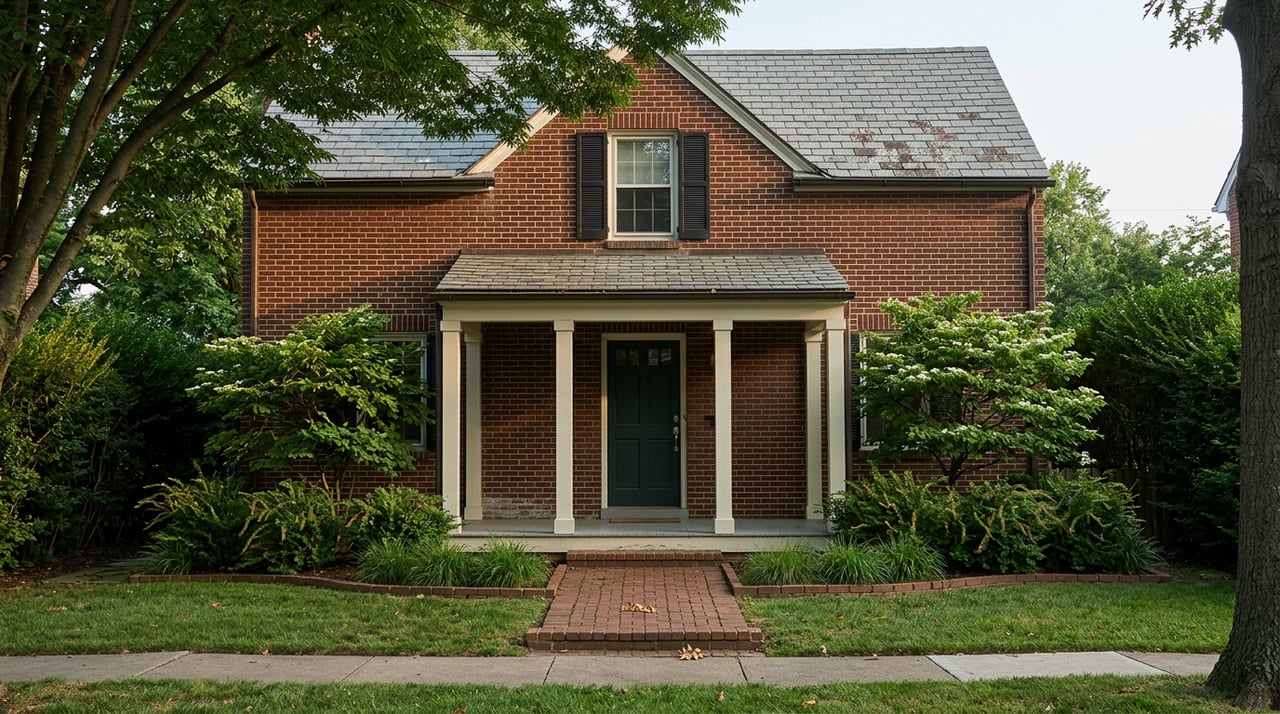
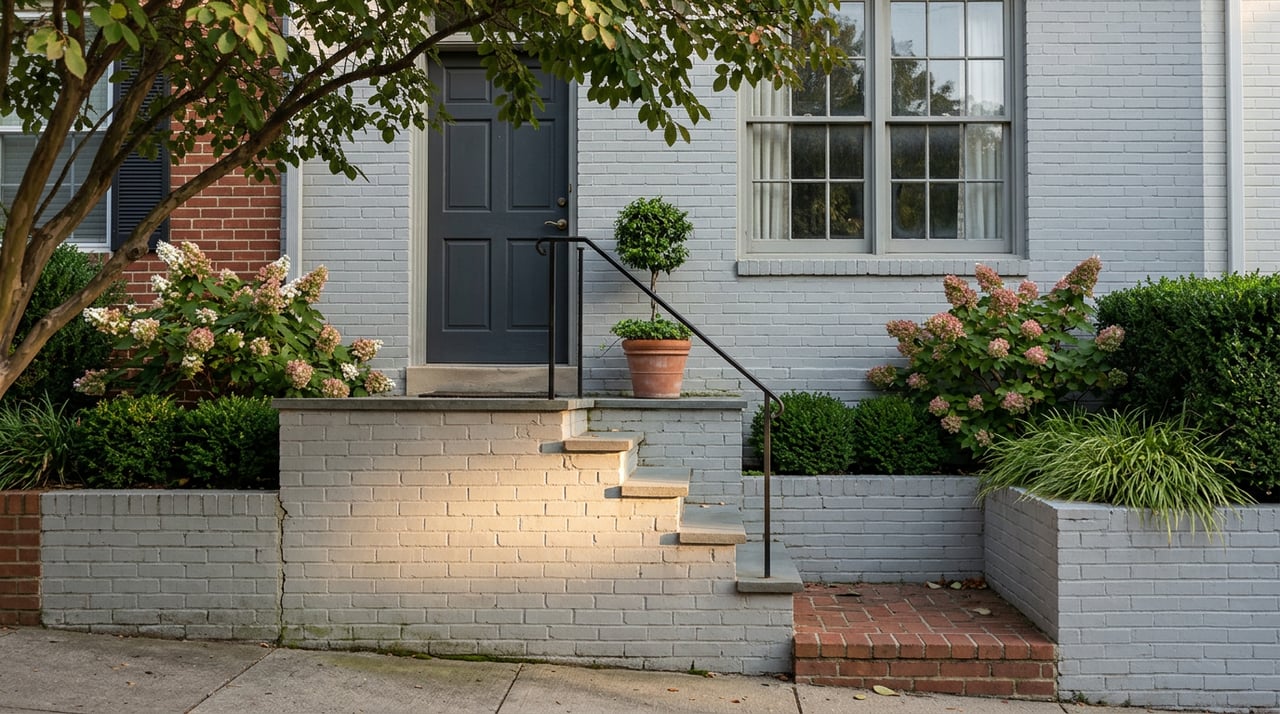
The residential core features brick sidewalks, rowhouses, and short blocks that make walking direct and pleasant. Living a few blocks off King Street often offers a quieter feel while keeping your daily destinations close.
The Potomac riverfront is a signature perk. Waterfront Park, Founders Park, and the connected promenade are easy walking destinations for exercise, events, and dining. Cyclists can link to the Mount Vernon Trail and other regional bike routes for car-free recreation or commuting.
From theater and museum outings to dinner and dessert, many cultural stops cluster within a few blocks. You can pair a show with a meal and walk home afterward.
The King Street–Old Town Metro station connects you to central D.C., Crystal City, the Pentagon, and the wider region. For many commuters, Metro is the fastest path to downtown without a car. Walking time to the station depends on your address, often under 10 to 20 minutes for many Old Town blocks. Service advisories and weekend maintenance can affect timing, so check schedules as part of your routine.
Alexandria’s historic station serves both Virginia Railway Express and Amtrak. VRE is useful for peak-hour commutes along its corridors. Amtrak offers intercity trips for regional travel. Frequency outside of rush hour is limited, so review timetables if you plan to rely on rail.
DASH provides local bus coverage across Alexandria and links to Metro stops and shopping outside the historic core. Metrobus routes connect Old Town to other parts of the region. A free King Street trolley or circulator has operated to link the Metro station, King Street destinations, and the waterfront. Operations and schedules can vary by season, so confirm current service.
Seasonal water taxi services connect Old Town to waterfront destinations such as National Harbor or Georgetown. These trips can be fun and, for some routes, a pleasant commute alternative in fair weather. Service depends on season and conditions, so plan ahead.
Capital Bikeshare stations in and around Old Town make quick trips simple without owning a bike. You will also find shared e-scooters and bikes under local regulations, plus a mix of protected lanes and on-street bike facilities. Connectivity to the Mount Vernon Trail supports bike commutes and recreational rides.
Old Town’s core includes pharmacies, banks, fitness studios, salons, and a mix of supermarkets and specialty food shops. Many residents handle weekly essentials on foot, then use delivery or a short ride for larger hauls.
Clinics and everyday services are accessible by foot, bus, or a short ride, depending on your exact block. If you need to reach destinations outside the historic core, DASH, Metrobus, and Metro can fill the gap.
Many central D.C. locations are reachable in roughly 15 to 30 minutes from King Street–Old Town on the Yellow or Blue lines. The exact commute depends on transfers and your destination. Peak-hour crowding and weekend maintenance can affect reliability, so plan with schedules in mind.
Jobs near the Pentagon or in Crystal City often involve short Metro rides or bike commutes. The dense transit network in this corridor supports car-light living.
Reagan National Airport is close, with a short Metro ride for many travelers. For longer trips, the Alexandria Amtrak station puts regional rail within reach. Compare schedules with your travel needs, since frequency can vary by route and time.
Curb parking is limited and historic streets can be narrow. Not every property includes off-street parking. Residential permits and paid garages help, but many households still keep one car for weekend trips or heavy errands. Confirm parking details for any home you consider.
Old Town draws visitors year-round, especially from spring through fall and during events. King Street and the waterfront can feel lively on weekends. If you prefer a quieter setting, look a few blocks off King Street to balance activity with calm.
Highly walkable, transit-rich areas often carry higher prices per square foot than less connected neighborhoods. Old Town’s historic district also comes with preservation guidelines that can shape renovations and exterior changes. Factor both into your budget and plans.
Sidewalks are generally continuous, but some older intersections, curb cuts, and narrow side streets may be less accessible for certain mobility needs. If accessibility is a priority, evaluate specific routes near the homes you like.
If you want historic charm with a citylike level of convenience, Old Town Alexandria makes car-light living realistic for many households. The King Street corridor anchors daily life, transit options connect you to D.C. and the airport, and the riverfront gives you built-in recreation. Weigh the tradeoffs on parking, price, and peak-season activity, then focus your home search around your daily routes.
Thinking about a move to Old Town or another walkable neighborhood nearby? Get tailored guidance on the best blocks for your lifestyle and a plan to compete with confidence. Reach out to Kathy Fong to start a conversation.
September 17, 2026
September 10, 2026
September 3, 2026
August 27, 2026
August 20, 2026
August 13, 2026
August 6, 2026

August 6, 2026

July 23, 2026
We greatly appreciate the opportunity to help you with the major life decision. As a practice, we work tirelessly to bring transparency and sincerity to the home selling process and believe that having a united vision with our clients, is the key to a successful outcome. Our mission statement: We will treat your home as our own, share our knowledge and never compromise our ethics.
Get In Touch With Our Team To Learn More
Kathy Fong
Direct: (703) 927-1737
[email protected]
2111 Wilson Blvd., Suite #1050
Arlington, VA 22201
Licensed in DC, MD, VA, DE