Comparing Arlington VA Neighborhoods for Growing Families
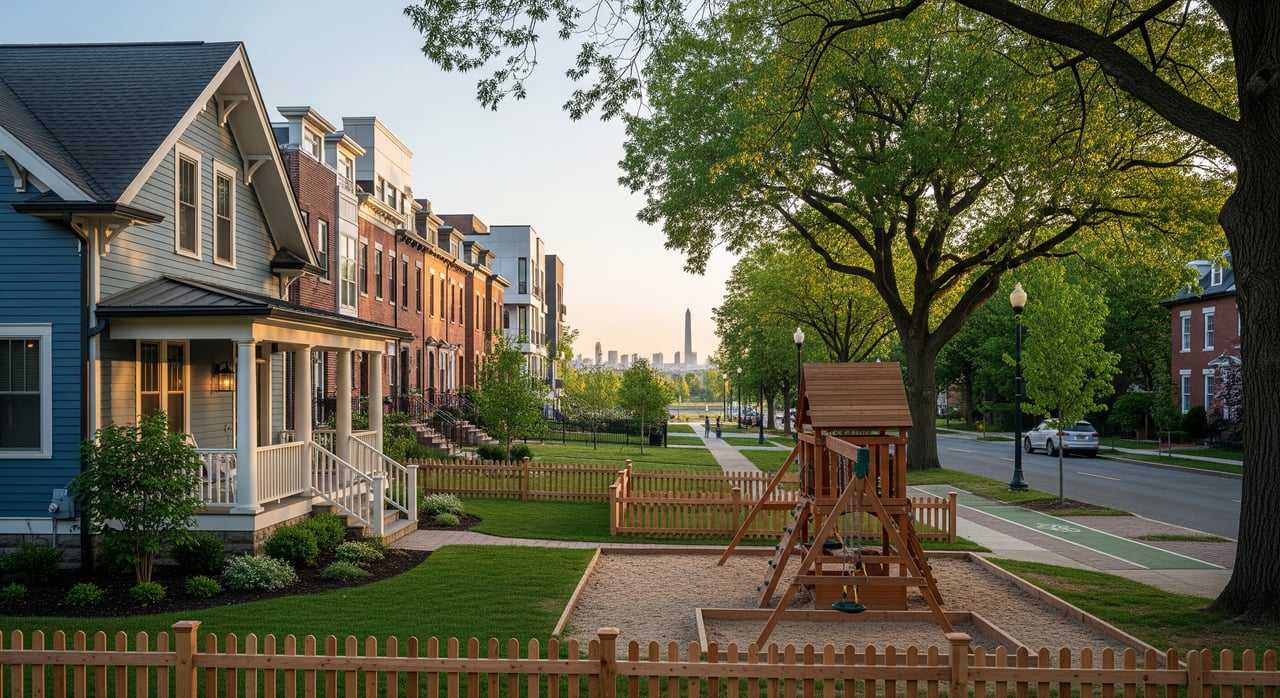
Choosing a neighborhood in Arlington can feel like a high-stakes puzzle. You want great day-to-day convenience, a reliable commute, and a home that fits your family now and later. The good news is that Arlington offers a range of options across transit-rich corridors, village-style streets, and quiet single-family pockets. In this guide, you will compare the major areas through a family lens so you can focus your search with confidence. Let’s dive in.
When you look at Arlington through a family filter, four factors tend to guide the choice:
Keep these in mind as you explore the main neighborhood groupings below.
If your top goal is a quick, predictable commute, the Rosslyn through Ballston corridor delivers frequent Metrorail service on the Orange and Silver lines in most stations, with Blue line access at Rosslyn. Housing here leans toward condos and apartments, with some townhouses in places like Courthouse and Ballston. You will find high walkability, grocery options, daycare centers, and small parks sprinkled throughout. Private outdoor space is limited in many buildings, so families often trade yard size for transit access and amenities.
Action step: If school drop-off by car is part of your routine, drive the route at a typical morning time to gauge traffic and parking patterns near your zoned elementary school.
This cluster provides strong Blue and Yellow line access, robust bus service, and employer shuttles. Housing includes a large supply of newer condos and apartments, plus some nearby townhomes. Development tied to major employers in National Landing has expanded amenities and influenced housing demand over time. Families who work in or near this district appreciate the short commute and easy access to the Mount Vernon Trail for weekend bike rides.
Tip: If you expect to bike to work or school, map your route to the Mount Vernon Trail and nearby bike lanes to see how it fits your daily schedule.
These areas offer a blend of single-family homes, townhouses, and walkable nodes with groceries and cafes. Depending on the block, you may be within walking distance of a Metro station or a short ART bus ride away. Many homes are older and updated inside, with manageable lots that balance outdoor play space with less yard work. Families choose these neighborhoods for a traditional street feel and access to nearby playgrounds, libraries, and community activities.
Good fit: If you want a modest yard, sidewalks to local shops, and a commute that avoids long car trips, start your search here.
If your priorities center on space and a private yard, these neighborhoods skew toward detached single-family homes. Daily errands may require a short drive, but you gain larger rooms and outdoor areas that grow with your family. Transit access inside the neighborhoods is more limited, though many residents drive to a nearby Metro station or use ART. Larger green spaces and trails are a highlight for weekend play and recreation.
Planning tip: If you plan to drive to Metro, confirm resident parking options, local permit rules, and typical spaces available during morning rush.
The Columbia Pike corridor and nearby Shirlington combine a mix of older condos, townhomes, and ongoing redevelopment that adds new mixed-use units over time. Bus service is strong, and you can reach Metro through a transfer. These areas often appeal to budget-minded families who still want walkable dining, cultural offerings, and local services. Expect lively commercial nodes and a variety of housing at different price points.
Consideration: If childcare proximity is a must-have, inventory can vary by provider type. Keep a shortlist of options and verify waitlists early.
Arlington Public Schools operates neighborhood schools and specialty or choice programs, including language immersion and alternative pathways. Elementary school assignments often drive near-term decisions, while middle and high school planning matters for your longer timeline. Boundaries can change, so always verify your specific address with the official school boundary lookup before you make an offer. If you are weighing private or parochial options, factor in commute time and admissions calendars.
Action plan for schools:
Arlington’s Metrorail coverage varies by corridor. The Orange and Silver lines serve Ballston, Virginia Square, Clarendon, and Court House, while Rosslyn connects to the Blue and Silver. The Blue and Yellow lines serve Pentagon, Pentagon City, and Crystal City. Beyond rail, ART and Metrobus routes fill gaps for neighborhoods not directly on Metro. For bikes, the Custis Trail and Mount Vernon Trail link many residential pockets to job centers and weekend destinations, and Capital Bikeshare adds flexibility for short hops.
Your commute checklist:
Arlington is relatively built out, which means inventory can be tight and trade-offs are common. Transit corridors and urban villages have more multifamily options with amenity-rich buildings and newer construction. Village-style areas and single-family pockets provide more private outdoor space and larger interiors, often with older homes that have been renovated. If you need a specific property type or school assignment, start early, secure pre-approval, and be ready to tour quickly.
Smart budgeting moves:
Walkable retail clusters are strongest around Metro and village centers such as Clarendon, Ballston, Rosslyn, Courthouse, Crystal City, Pentagon City, Shirlington, and nodes along Columbia Pike. Arlington’s parks and recreation network offers playgrounds, athletic fields, and community centers across the county. If you value weekend activities nearby, note the distance to your favorite parks and trails. For childcare, expect variations by neighborhood and provider type, and plan to join waitlists early if needed.
Weekend-friendly checklist:
Finding the right fit in Arlington comes down to balancing time, space, and daily rhythm. Whether you picture a condo near Metro, a village street with a small yard, or a quiet single-family pocket with bigger rooms, you can craft a plan that supports your family’s next chapter. If you want a local partner who knows how to connect the dots between schools, commute, and housing types, reach out to Kathy Fong. Our team pairs neighborhood expertise with a streamlined process so you can move forward with clarity and confidence.
August 20, 2026
August 13, 2026
August 6, 2026
August 6, 2026
July 23, 2026
July 16, 2026
July 9, 2026
July 2, 2026
June 25, 2026
We greatly appreciate the opportunity to help you with the major life decision. As a practice, we work tirelessly to bring transparency and sincerity to the home selling process and believe that having a united vision with our clients, is the key to a successful outcome. Our mission statement: We will treat your home as our own, share our knowledge and never compromise our ethics.
Get In Touch With Our Team To Learn More
Kathy Fong
Direct: (703) 927-1737
[email protected]
2111 Wilson Blvd., Suite #1050
Arlington, VA 22201
Licensed in DC, MD, VA, DE