Clarendon VA Walkable Living Without a Car
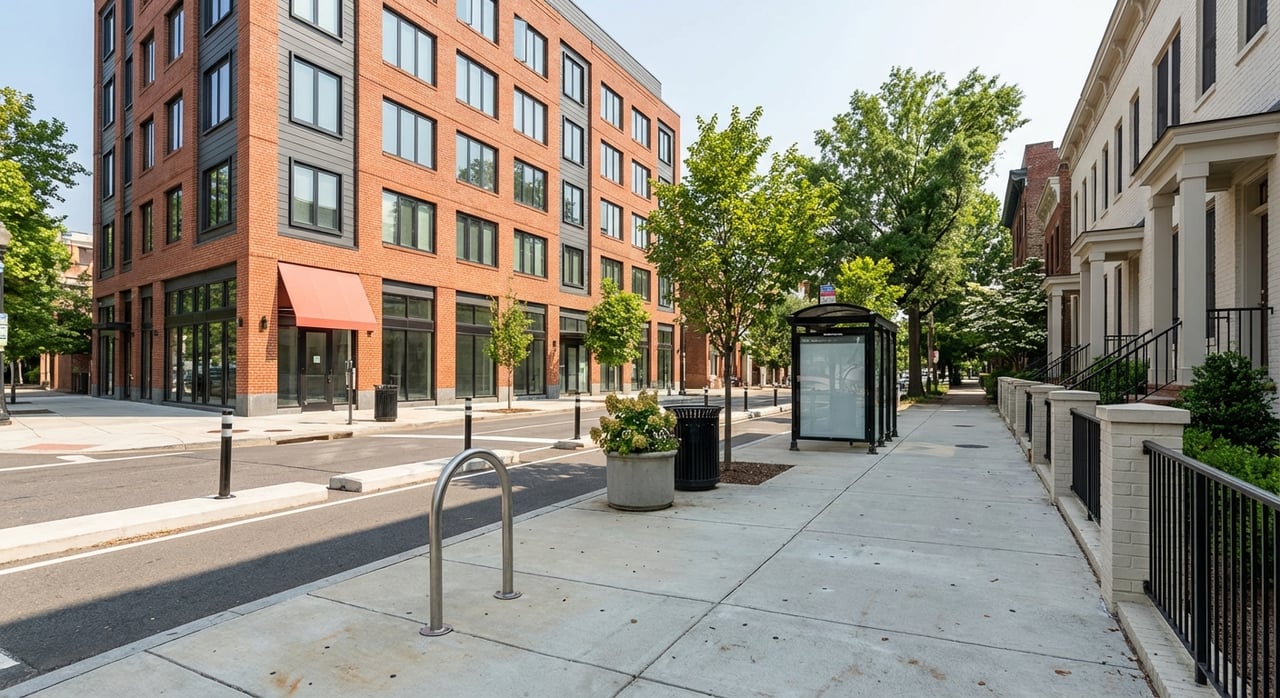
What if your front door were a five-minute walk to groceries, coffee, and a Metro stop that gets you to D.C. without touching a steering wheel? If you are weighing a move to Clarendon, you might be asking whether a car-free life is realistic, convenient, and worth the trade-offs. In this guide, you will learn how daily life works on foot, by bike, and by transit, with clear tips on costs, errands, and housing options close to the Clarendon Metro. Let’s dive in.
Clarendon sits in Arlington’s Rosslyn–Ballston corridor, a true urban village with restaurants and shops lining Wilson and Clarendon Boulevards and quieter residential streets just beyond. County planning describes how transit-oriented development focused density near the Metro plaza, shaping today’s lively mix of homes, retail, and public space. You see mid-rise and high-amenity buildings around the station, then a quick transition to townhomes and a few single-family blocks. You get a walkable core with neighborhood calm nearby. Learn more on the county’s Clarendon neighborhood page and Arlington Economic Development’s Clarendon profile.
Clarendon Station sits in the median of Wilson and Clarendon Boulevards and is served by the Orange and Silver lines. Trains link you to Courthouse, Rosslyn, downtown D.C., Tysons, and beyond. First and last train times vary by day, but Metro is the highest-capacity, most reliable way to commute or explore without a car. Check service details on WMATA’s Clarendon Station page.
Arlington Transit (ART) buses and regional Metrobus routes fill in short trips where Metro is not a one-seat ride. You can reach Ballston, the Pentagon area, and other close-in neighborhoods quickly. See routes and schedules that serve Clarendon and Courthouse on the ART routes and schedules page.
Clarendon is a place where you can run most errands on foot. Walk Score rates the core as a “Walker’s Paradise” thanks to wide sidewalks, short blocks, curb extensions, and frequent crossings that prioritize people on foot. See the area’s scores on Walk Score’s Clarendon page.
If you prefer two wheels, the nearby Custis Trail connects you to Rosslyn and links into the W&OD and Mount Vernon Trail networks. Arlington continues to invest in trail improvements that help both commuters and weekend riders. Get a sense of the network on this Arlington bike paths guide.
Capital Bikeshare docks and e-bikes are common near the station and along the main corridors, and many buildings provide secure bike rooms and related amenities. See examples of building support near the corridor on the Arlington Transportation Partners site. Note that Capital Bikeshare updated pricing in mid-2025, including higher e-bike per-minute rates. If you plan to rely on bikeshare for daily commuting, review the latest costs in the Washington Post’s coverage of the 2025 pricing update, then confirm current rates when you move.
Even without owning a car, you have options for bulky errands or weekend trips. Residents use car-share services, grocery delivery, and ride-hail for occasional needs. If you or your guests bring a car, many nearby blocks use Arlington’s Residential Permit Parking program. Rules and availability vary by street, so check eligibility, visitor passes, and limits on the county’s RPP information page.
Two major grocery anchors sit within a short walk of the Metro plaza: Whole Foods at 2700 Wilson Blvd and Trader Joe’s at 1109 N Highland St. These stores, along with smaller markets and specialty shops nearby, make it easy to pick up what you need on your way home. See local listings for confirmation of store locations on this Whole Foods listing page. Many residents combine quick trips with delivery for heavier items.
Clarendon’s commercial spine concentrates coffee shops, restaurants, bars, fitness studios, salons, and daily services within a few blocks. You can meet friends, knock out errands, and get a workout without planning a drive. Seasonal events and neighborhood programming add energy to the plaza and streetscape. Explore the local mix through Arlington Economic Development’s Clarendon neighborhood overview.
If you like to be active, you will appreciate easy access to the Custis Trail and neighborhood parks such as Lyon Park. Many residents walk or bike to work during the week and enjoy scenic trail rides on weekends.
If you live within a 5 to 10 minute walk of the Metro plaza, it is realistic to skip car ownership, especially if your commute and daily routines align with Metro, ART buses, and short walks. Many single adults, couples, and downsizers choose Clarendon for these reasons. That said, caregiving needs, late-shift work, or frequent large-item shopping may call for occasional car-share or ride-hail.
First and last trains vary, and weekend service patterns can change. For late evenings or early airport runs, plan ahead and use buses or rideshare when Metro is not the best option. You can find the latest schedules on WMATA’s Clarendon Station page.
Many residents compare monthly Metro, occasional bus fares, rideshare, and car-share costs with the fixed expenses of owning a car, like insurance, fuel, parking, and maintenance. If you expect to use e-bikes frequently, note the mid-2025 Capital Bikeshare pricing changes highlighted by the Washington Post. Review current rates and your route needs to model a realistic monthly budget.
If you plan to keep a car, read Arlington’s RPP rules before you sign a lease or buy a home. Permit eligibility, caps per household, and visitor pass details vary by block, which affects the ease and cost of owning a car. Start with the county’s RPP information page and ask your building or HOA about on-site spaces and guest options.
Some communities offer secure bike storage, maintenance stations, and package rooms that make car-free living simpler. Many employers and buildings in the corridor also promote bike amenities. For an example of corridor support, see the Arlington Transportation Partners champions list.
The blocks closest to Clarendon Metro feature mid-rise and high-amenity condo and apartment buildings with ground-floor retail. Living here puts you steps from transit, groceries, and nightlife. This is the sweet spot if you want the shortest possible walk and the most frequent transit access.
A few blocks out, you will find townhouse communities and smaller residential streets. You still enjoy strong walkability and transit access, with a bit more space and a quieter pace. The trade-off can be a slightly longer walk to the station and retail.
If living car-free sounds like your next chapter, you want a place that fits how you actually move through the neighborhood. Our team knows which buildings offer the shortest walks, the best bike storage, and the right mix of amenities for a low-car lifestyle. When you are ready to tour, reach out to Kathy Fong for local guidance and a tailored plan.
July 23, 2026
July 16, 2026
July 9, 2026
July 2, 2026
June 25, 2026
June 18, 2026
June 11, 2026
June 4, 2026
May 28, 2026
We greatly appreciate the opportunity to help you with the major life decision. As a practice, we work tirelessly to bring transparency and sincerity to the home selling process and believe that having a united vision with our clients, is the key to a successful outcome. Our mission statement: We will treat your home as our own, share our knowledge and never compromise our ethics.
Get In Touch With Our Team To Learn More
Kathy Fong
Direct: (703) 927-1737
[email protected]
2111 Wilson Blvd., Suite #1050
Arlington, VA 22201
Licensed in DC, MD, VA, DE