Thinking about adding a small apartment, in‑law suite, or coach house to your Upper Northwest DC property? You are not alone. More homeowners are exploring accessory dwelling units as a way to create flexible space for family, guests, or rental income. In this guide, you will learn how ADUs typically work in Upper Northwest DC, what to check first, realistic timelines and costs, and a clear plan to move forward with confidence. Let’s dive in.
What an ADU is
An accessory dwelling unit is a secondary, independent living space on the same lot as a primary home. It has its own entrance and includes a kitchen or kitchenette, bathroom, sleeping area, and the systems needed for safe, comfortable living. You can use an ADU for relatives, long‑term tenants, or guests. Short‑term rentals are regulated separately in DC and require additional steps.
Popular ADU options in Upper Northwest
Upper Northwest properties support a range of ADU configurations. The right path depends on your lot, zoning, and whether your home is in a historic district.
- Interior conversions: Basement or attic conversions, often called garden‑level apartments or in‑law suites, are common and keep exterior changes minimal.
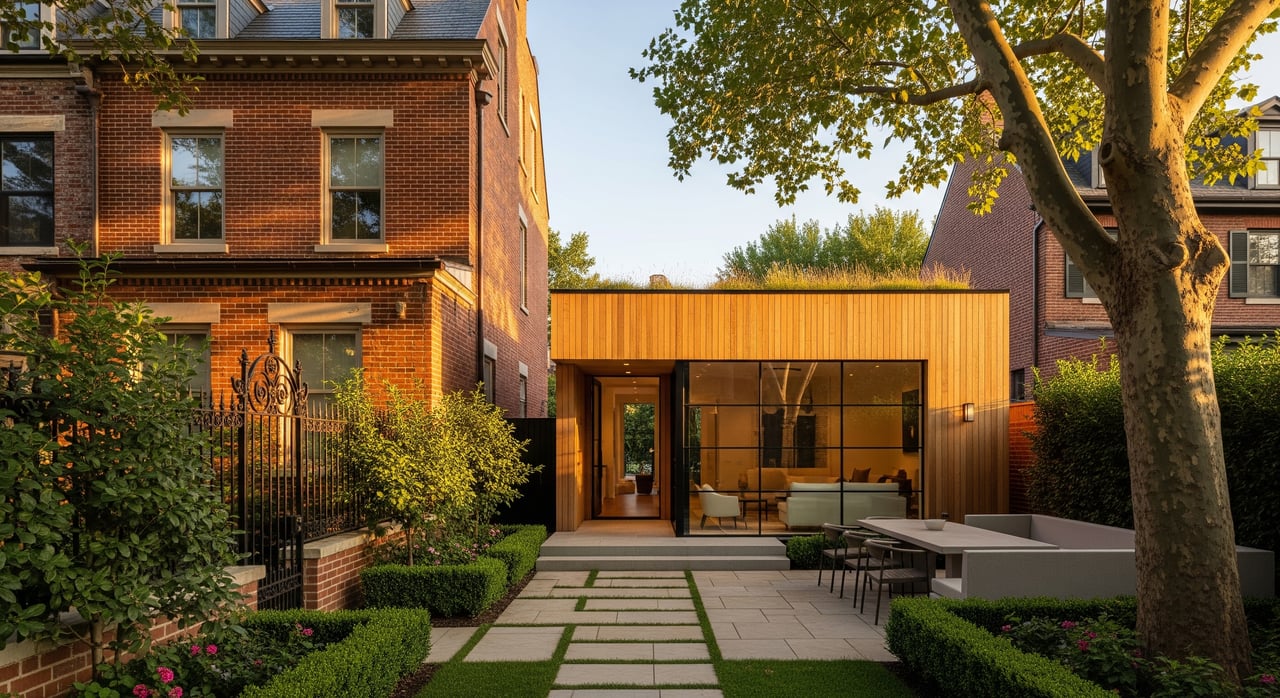
- Detached structures: Converting a carriage house or garage into a standalone unit can work well, especially where there is alley access for construction and utilities.
- Above‑garage units: Adding living space above an existing garage is a frequent choice on lots with usable rear structures.
- Walk‑out lower levels: Homes with a walk‑out basement can be adapted with a separate entrance, full bath, and kitchen for a self‑contained unit.
Neighborhood context and constraints
Upper Northwest includes neighborhoods such as Chevy Chase, Tenleytown, Cleveland Park, Woodley Park, and Van Ness. Homes range from detached houses to rowhomes and low‑rise multifamily buildings, and many lots are narrow and deep.
- Alleys and access: Older rowhouse blocks often have rear alleys that make deliveries, parking, and detached ADU work easier.
- Lot size and coverage: Many parcels already sit close to lot occupancy limits. A quick check of existing coverage and setbacks is essential.
- Historic districts: Blocks in areas like Cleveland Park and Woodley Park fall within historic districts. Exterior changes, new detached buildings, or alterations visible from the public way usually require review and approval.
- Utilities and logistics: Alley width, utility connections, and service capacity can influence feasibility and cost.
Early checks to prioritize:
- Zoning designation for your address and whether a secondary dwelling is permitted, permitted with conditions, or needs relief.
- Historic‑district status and any design guidelines that affect exterior changes.
- Existing lot coverage, required setbacks, and access for construction.
Rules, permits, and safety basics
ADUs must meet DC zoning and building codes. Plan to coordinate with the following as you move from concept to permits and construction:
- DC Office of Zoning to confirm use permissions and any relief needed.
- DC Department of Buildings for permits, inspections, and code compliance.
- DC Office of Planning for policy guidance and neighborhood context.
- Historic Preservation Office or Historic Preservation Review Board if your property is in a historic district.
- Your Advisory Neighborhood Commission for community‑level expectations.
Common code topics to discuss with your architect and contractor:
- Means of egress: Bedrooms in basements or below grade need compliant egress windows or exterior exits.
- Fire and life safety: Smoke and carbon monoxide alarms and fire‑rated separations may be required between units.
- Plumbing, electrical, and mechanical: Kitchens and full baths need permitted systems work. Some projects require electrical service upgrades.
- Utilities and metering: You can keep shared utilities or install a separate meter, depending on preference and utility rules.
- Parking: Parking minimums have been reduced in many places, but check parcel‑specific rules.
- Rental rules: Long‑term rentals typically require registration and inspections. Short‑term rentals have separate DC requirements. Verify current policies before planning STR use.
Costs, timelines, and financing
Every property is unique, and DC construction costs often run higher than national averages. Use these ranges as high‑level guidance while you gather local bids.
- Interior conversion: Often the most cost‑effective option. Timelines commonly span 3 to 9 months from design through final inspection, depending on scope.
- Detached ADU or garage conversion/new carriage house: Usually more expensive due to new foundations, utilities, and approvals. Timelines commonly run 6 to 12 months or longer, especially with historic review.
Financing paths homeowners often explore:
- Home equity loan or line of credit.
- Cash‑out refinance.
- Renovation or construction loans, including specialized ADU options from local lenders.
- Personal savings or private financing.
Lenders and appraisers can treat ADUs differently. Some weigh documented rental income and legal status, while others focus on comparable sales. Discuss options early with a lender who understands ADUs in DC.
Resale, insurance, and taxes
A well‑designed, permitted ADU can increase your property’s appeal to buyers who want income potential, multigenerational flexibility, or guest space. Legal status matters. Fully permitted, code‑compliant units tend to add value more reliably than unpermitted conversions, which can create issues at sale.
- Appraisal approach: Appraisers may reference sales with ADUs or consider income where documented.
- Buyer pool: ADUs often broaden appeal, though some buyers may prefer a traditional single‑family layout.
- Insurance: Update your policy to reflect the ADU and any rental activity. Insurers may require endorsements.
- Taxes: Rental income is taxable. Track expenses and consult a tax professional. Permitted improvements may affect property assessments.
A simple plan to get started
Use this step‑by‑step workflow to move from idea to action.
- Preliminary research: Check historic‑district status and find your zoning classification.
- Parcel rules: Confirm whether ADUs are allowed, plus size limits, lot coverage, and setbacks.
- Quick site review: Photograph the lot, rear yard, garage, alley, and interior spaces. Note grade changes, stairs, and existing egress.
- Consult pros: Speak with a local architect experienced in DC ADUs and historic work, a general contractor who has built ADUs in Upper Northwest, and a lender familiar with ADU financing.
- Budget and bids: Get two or three bids to validate costs and timelines. Include design, permitting, historic review, and contingency.
- Permitting: Submit design and permit applications to the Department of Buildings and any historic review boards. Plan for inspections and a final occupancy approval.
- Operational setup: Update insurance, decide on shared or separate utilities, confirm smoke and CO detection, and complete rental registrations or short‑term licensing if you plan to rent.
Is an ADU right for you?
If you have a suitable lot, clear zoning, and a plan for use, an ADU can unlock meaningful flexibility and potential income. The key is doing it the right way with permits, safety, and strong design. That approach protects value and keeps future resale options open.
If you want help evaluating a specific Upper Northwest property for ADU potential or positioning a home with an existing ADU for the market, connect with our team. We pair neighborhood expertise with a presentation‑first approach so you move forward with clarity and confidence. Reach out to Kathy Fong to start the conversation.
FAQs
Are ADUs allowed in Upper Northwest DC?
- It depends on your parcel’s zoning and historic‑district status. Many properties can add ADUs with conditions. Confirm parcel rules with zoning and preservation offices.
Can I rent an ADU long‑term or short‑term in DC?
- Long‑term rentals are commonly allowed when permitted and registered. Short‑term rentals have specific DC rules and registration requirements. Verify current policies.
Do I need a separate entrance or meter for an ADU?
- A separate entrance is often required for a self‑contained unit. Separate metering is optional in many cases and depends on utility rules and your preference.
How long does DC permitting for an ADU take?
- Timelines vary. Interior conversions may move faster. Projects needing zoning relief or historic review can add months. Ask your architect for a parcel‑specific estimate.
Will an ADU increase my home’s value in Upper Northwest?
- A legal, well‑executed ADU typically boosts marketability and can add value. Exact uplift depends on local comparables, unit legality, and documented rental potential.