Capitol Hill vs Navy Yard: Rowhouse or Condo?
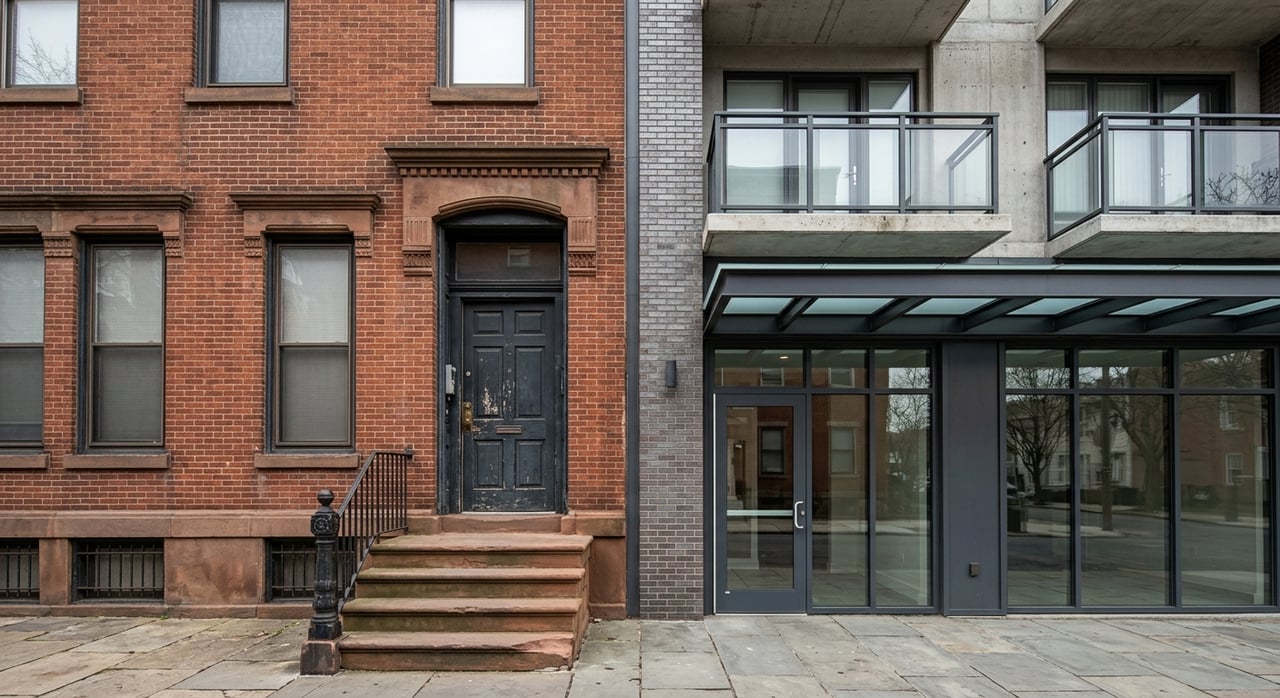
Trying to choose between a Capitol Hill rowhouse and a Navy Yard condo? You are not just picking a floor plan. You are choosing between two very different ownership experiences, monthly cost structures, and neighborhood rhythms. If you want a clearer way to compare maintenance, outdoor space, renovation flexibility, and resale considerations, this guide will help you sort through the tradeoffs. Let’s dive in.
At a high level, this comparison is really about historic rowhouse living versus newer condo living.
Capitol Hill is one of Washington, DC’s oldest residential neighborhoods. Its historic district spans about 200 city squares and roughly 8,000 buildings, with a landscape defined by 19th-century rowhouses, tree-lined streets, parks, and small open spaces. Early development in the area was tied to both the U.S. Capitol and the Washington Navy Yard.
Navy Yard, also known as Capitol Riverfront, offers a very different setting. Local sources describe it as a 460-acre riverfront neighborhood that has been the fastest-growing area in the DC region over the past decade, with ongoing residential and commercial development and a long-term build-out target of 37 million square feet.
That difference shapes almost everything else. Capitol Hill tends to feel more rooted in historic residential blocks, while Navy Yard leans toward a newer, taller, more amenity-driven urban waterfront experience.
When you buy a rowhouse, you typically take on more direct responsibility for the home itself. That includes day-to-day repairs, larger maintenance items, and long-term capital projects such as roofing or exterior work.
That can be appealing if you want more control over your property. It can also mean a less predictable maintenance budget, because the costs of repairs and replacements are yours to manage as they arise.
In DC, condominium ownership works differently. You own the interior walls and floor of your unit, while the condominium association manages common elements and shared building expenses.
That setup can make monthly ownership feel more structured. But it also means you need to understand the association’s bylaws, fee structure, insurance requirements, and the possibility of additional assessments.
For many buyers, this is the biggest question.
A Capitol Hill rowhouse often comes with more direct owner responsibility. You may not have a large monthly condo fee, but you should still budget for repairs, maintenance, property taxes, insurance, utilities, and future replacement costs. In practice, the monthly cost picture may look lower on paper in some months and much higher when a major project appears.
A Navy Yard condo often feels more predictable month to month because many shared building expenses are built into condo dues. However, those dues are a real part of your housing cost, and associations may levy assessments under the condominium documents.
If you are comparing the two, ask yourself:
Neither structure is automatically better. It depends on how you like to manage risk, cash flow, and responsibility.
Capitol Hill’s historic character is a major draw, but it can also affect what you can change.
The DC Historic Preservation Review Board reviews proposed construction for compatibility with historic properties. City guidance specifically identifies major additions, front alterations, visible roof decks, new construction, and demolition in historic districts as work that requires review. Written design standards also address elements such as roofs, porches, additions, and roof decks.
If you love the idea of updating a rowhouse, this does not mean improvements are impossible. It does mean your timeline, design choices, and approval path may be more complex than in a non-historic setting.
A condo usually does not involve historic-district review in the same way a Capitol Hill rowhouse might. But you are still buying into a building with its own rules.
That is why buyers should review condo documents carefully. Association bylaws can affect assessments, insurance requirements, and how certain property issues are handled.
Capitol Hill’s appeal is tied to its older street pattern and neighborhood texture. The area includes parks, medians, circles, squares, and triangles that reflect the original city plan, along with major neighborhood anchors such as Eastern Market and the Pennsylvania Avenue corridor.
For many buyers, the rowhouse lifestyle feels more personal and residential. While not every rowhouse offers a large private yard, rowhouse ownership usually means more control over the building and its outdoor edges than condo ownership does.
Navy Yard’s outdoor lifestyle is more collective and more programmed. Yards Park includes a quarter-mile boardwalk, river views, a dog run, fitness classes, concerts, and community events.
The neighborhood is also served by multiple Metro lines, 19 bus stops, and 11 Capital Bikeshare stations. If you value convenience, shared amenities, and a waterfront setting, that can be a strong advantage.
Here is the simplest way to frame it.
If you want a home that feels tied to historic residential blocks, architectural character, and more direct control over your space, a Capitol Hill rowhouse may feel like the better match. If you want a more turnkey building experience with shared amenities, newer systems, and a more development-forward waterfront setting, a Navy Yard condo may fit your lifestyle better.
This is not really about one being better than the other. It is about which version of city living supports your daily routine, maintenance comfort level, and long-term plans.
Capitol Hill’s strongest long-term appeal is its established identity. It is a large, well-known historic neighborhood with a long record of preservation and reinvestment.
That can support demand over time, especially for buyers who value architectural authenticity and neighborhood continuity. At the same time, the same preservation framework that supports character can also create more friction when owners want to make major changes.
Navy Yard condos benefit from newer building systems and strong amenity appeal. But buyers should also remember that the neighborhood continues to add residential, office, hotel, and cultural projects.
That means resale can be influenced by how your building and unit compare with nearby options. In a growing condo market, factors such as building quality, fee levels, reserve funding, and unit positioning can matter a lot.
Before you choose between a Capitol Hill rowhouse and a Navy Yard condo, it helps to narrow the decision with a few practical questions:
The right answer usually becomes clearer when you compare not just neighborhoods, but also your own habits and priorities.
A Capitol Hill rowhouse and a Navy Yard condo can both be smart choices, but they solve for different things.
A rowhouse often offers historic character, more direct control, and a classic residential block feel. A condo often offers newer systems, shared amenities, and a more predictable building-management structure. Your best choice depends on how you want to live now and what ownership responsibilities you want to carry over time.
If you want help weighing these tradeoffs in the context of your budget, timeline, and goals, Kathy Fong can help you compare the options with clear, local guidance.

July 2, 2026
June 25, 2026
June 18, 2026

June 11, 2026

June 4, 2026

May 28, 2026

May 21, 2026
May 14, 2026

May 7, 2026
We greatly appreciate the opportunity to help you with the major life decision. As a practice, we work tirelessly to bring transparency and sincerity to the home selling process and believe that having a united vision with our clients, is the key to a successful outcome. Our mission statement: We will treat your home as our own, share our knowledge and never compromise our ethics.
Get In Touch With Our Team To Learn More
Kathy Fong
Direct: (703) 927-1737
[email protected]
2111 Wilson Blvd., Suite #1050
Arlington, VA 22201
Licensed in DC, MD, VA, DE