Comparing McLean, Tysons and Vienna Lifestyles
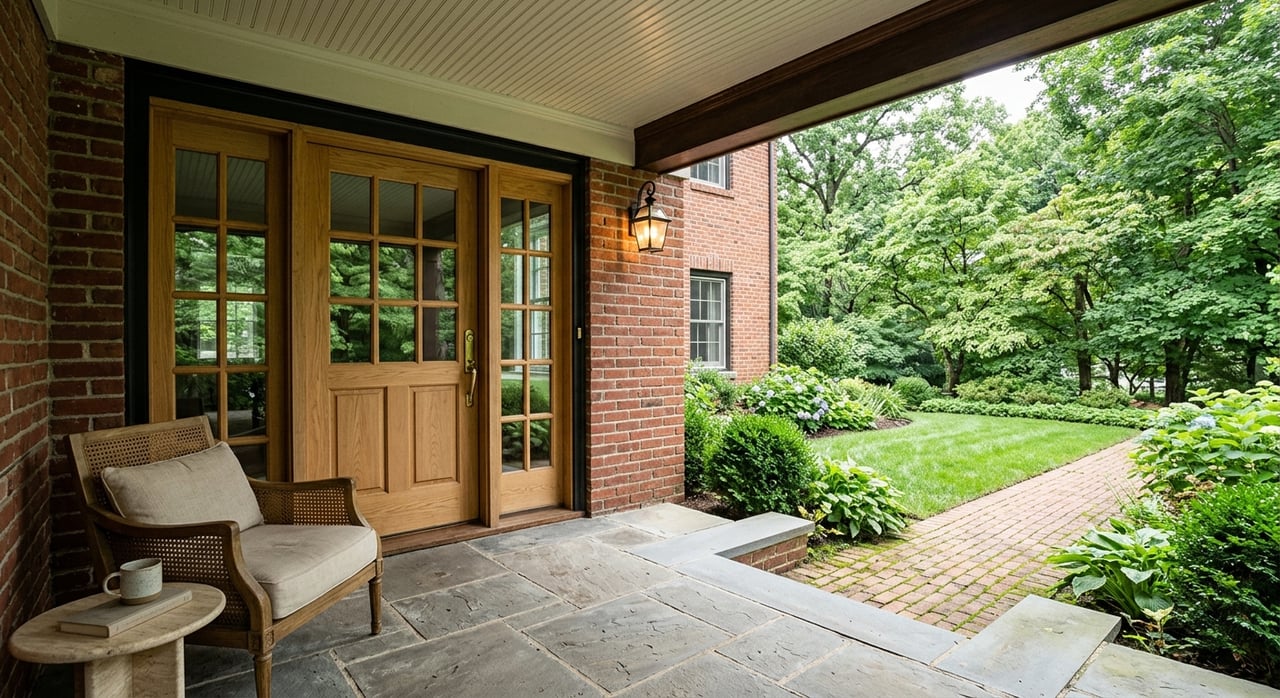
Trying to choose between McLean, Tysons, and Vienna? Even though these communities sit close together, they offer very different day-to-day experiences. If you are weighing where to buy or just trying to understand how each area feels, this guide will help you compare lifestyle, housing patterns, and practical details that matter most. Let’s dive in.
The biggest takeaway is simple: these are three different ways to live in Northern Virginia. According to Fairfax County and Town of Vienna planning materials, McLean is centered around a village-style downtown and established residential neighborhoods, Tysons is planned as Fairfax County’s downtown and a more urban, transit-oriented center, and Vienna is focused on preserving a neighborly small-town character.
For you as a buyer, that means the right fit may have less to do with distance on a map and more to do with your preferred daily rhythm. McLean tends to feel more residential and community-centered, Tysons leans urban and convenience-driven, and Vienna offers a classic town-center setting with a housing stock still dominated by detached homes.
McLean’s Community Business Center acts as its downtown. Fairfax County describes it as a mix of neighborhood-serving retail, restaurants, office space, former homes converted to commercial use, and some mid- and high-rise multifamily buildings, while the surrounding area remains primarily single-family residential.
That blend gives McLean a settled, polished feel. The county’s design guidance also describes McLean as a neighborhood village with a small-town feel, gathering spaces, street trees, and comfortable pathways, which supports the area’s community-focused identity.
A big part of life in McLean revolves around local institutions and shared spaces. The McLean Community Center highlights programming designed to create a sense of community, including recurring events, classes, and cultural activities.
Outdoor space also plays a role in everyday life. McLean Central Park, a 28-acre park next to the community center and Dolley Madison Library, reopened in 2025 with upgraded amenities and an inclusive playground.
If you enjoy being close to nature, McLean offers that too. Scott’s Run Nature Preserve is a popular local destination for hiking and outdoor time, adding another layer to McLean’s residential appeal.
If you are looking for a more traditional suburban housing pattern, McLean may stand out. Fairfax County’s planning documents say the predominant housing type in the established residential area is single-family detached homes, with townhouses and multifamily housing more concentrated closer to the downtown core and its edges.
That does not mean every block looks the same. It does mean McLean generally offers more mature neighborhoods and more detached-home options than Tysons.
Tysons is the most urban of the three communities by a wide margin. Fairfax County describes it as a walkable, sustainable urban center and calls it Fairfax County’s downtown, with four Silver Line Metro stations and a long-term plan for about 100,000 residents and 200,000 jobs.
If your ideal routine includes transit access, mixed-use buildings, and nearby retail, Tysons is built around that kind of convenience. The county also notes that while Tysons is being designed for transit, biking, walking, and ride-sharing, many trips are still made by private car today.
Tysons is planned around connected urban living. Fairfax County’s comprehensive plan for Tysons and land use guidance point to a mix of transit-station mixed use, residential mixed use, multifamily housing, and townhouses.
The public realm is evolving too. The county’s parks and open-space plan includes the Tysons Community Circuit, a planned 4.75-mile trail loop connecting parks, civic spaces, and major destinations, with segments already open.
That matters because it changes how the area functions. Tysons is no longer just a place to work or shop. It is being built to support a fuller live-work-play pattern.
Compared with McLean and Vienna, Tysons is the strongest fit if you want newer, denser housing options. The county’s planning materials make clear that apartment-style and mixed-use living near Metro and commercial centers are central to the area’s long-term vision.
Tysons also includes affordable and workforce housing goals, which reflects its broader mixed-income, mixed-use direction. In practical terms, you are more likely to find an urban residential environment here than the detached-home-heavy patterns seen in much of McLean or Vienna.
Vienna’s official materials consistently emphasize preserving its neighborly character and traditional hometown feel. The town’s Planning and Zoning department states that its work is designed to help preserve that identity, while the town’s public-facing descriptions highlight charming neighborhoods and community gathering places.
If you want a place with a strong town-center feel, Vienna often stands out. Daily life is closely tied to Maple Avenue, Church Street, and the civic spaces that anchor the community.
One of Vienna’s defining features is how much public life happens in visible, shared spaces. The Vienna Town Green is described by the town as a centerpiece and primary gathering place, with concerts and signature events bringing residents together.
The W&OD Trail also plays an important role in everyday life. The town highlights it as a recreation path and commuter route that runs through the heart of Vienna, giving the area a strong connection to both outdoor activity and local mobility.
Town-center access is another practical advantage. According to the town’s public parking information, municipal lots help support access to businesses, events, government offices, and other destinations in the center of town.
For many buyers, Vienna’s housing mix is a key reason to look closely at the area. The town’s 2026 draft comprehensive plan reports that 80% of housing units are single-unit detached, with 9% single-family attached and 11% multifamily.
The same plan notes that Vienna expects limited broad new land supply, so future change is more likely to come through infill and smaller-scale redevelopment than major new subdivisions. If you want a traditional detached-home market with a strong town identity, Vienna offers one of the clearest examples in close-in Northern Virginia.
Here is a simple way to think about the differences:
| Area | Overall feel | Housing pattern | Lifestyle highlights |
|---|---|---|---|
| McLean | Residential and community-centered | Mostly single-family detached, with some townhomes and multifamily near downtown | Village-style downtown, community institutions, park access |
| Tysons | Urban and amenity-dense | Mixed-use, multifamily, and newer denser housing near Metro | Silver Line access, major shopping, walkability goals, evolving trail network |
| Vienna | Small-town and neighborly | Mostly detached homes, with limited attached and multifamily options | Town Green, W&OD Trail, Maple Avenue and Church Street town center |
When buyers compare McLean, Tysons, and Vienna, two filters usually matter most: housing type and exact location. Even within the same community, the feel of a block can change based on how close you are to a downtown area, trail, Metro station, or commercial corridor.
School assignment is another detail you should verify instead of assuming. Fairfax County Public Schools says its Boundary Locator is the tool to use for checking the elementary, middle, and high school assigned to a specific address, and those boundaries can change over time.
A smart home search in this part of Northern Virginia usually starts with questions like:
If you picture weekends around parks, community events, and established residential streets, McLean may feel like the best match. If you want a more urban routine with Metro, dense amenities, and newer mixed-use living, Tysons is the clearest fit. If you are drawn to a classic town center, strong local identity, and a detached-home-heavy market, Vienna may be the most appealing option.
The right choice depends on how you want daily life to feel, not just what appears closest on the map. If you want help narrowing down neighborhoods, housing options, or timing your move in Northern Virginia, connect with Kathy Fong for thoughtful, local guidance tailored to your goals.
September 17, 2026
September 10, 2026
September 3, 2026
August 27, 2026
August 20, 2026
August 13, 2026
August 6, 2026
August 6, 2026

July 23, 2026
We greatly appreciate the opportunity to help you with the major life decision. As a practice, we work tirelessly to bring transparency and sincerity to the home selling process and believe that having a united vision with our clients, is the key to a successful outcome. Our mission statement: We will treat your home as our own, share our knowledge and never compromise our ethics.
Get In Touch With Our Team To Learn More
Kathy Fong
Direct: (703) 927-1737
[email protected]
2111 Wilson Blvd., Suite #1050
Arlington, VA 22201
Licensed in DC, MD, VA, DE