Comparing Newer and Older Homes in Bethesda
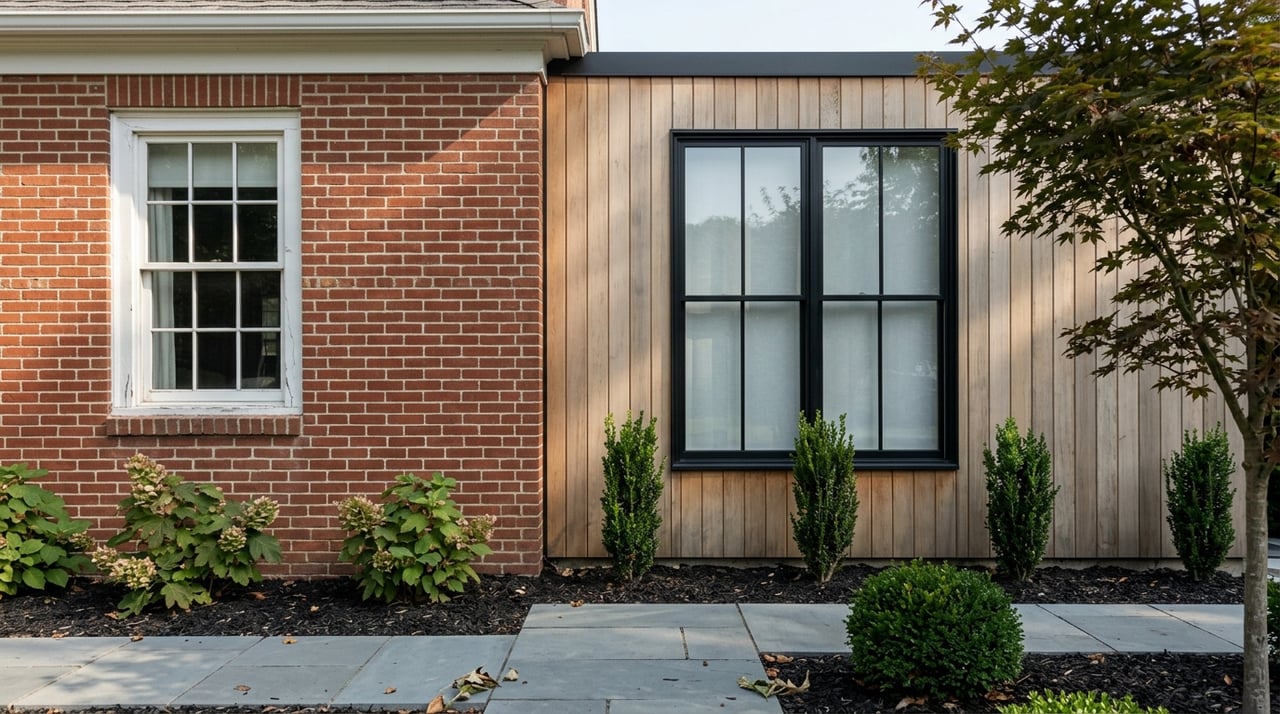
If you are deciding between a newer build and an older home in Bethesda, you are not alone. Many buyers here are weighing style, upkeep, efficiency, and long-term value in a market where both options are real and competitive. The good news is that there is no one-size-fits-all answer. If you know what to compare, you can make a smarter choice with more confidence. Let’s dive in.
Bethesda is not a market dominated by one housing era. According to the 2024 American Community Survey, 62.0% of housing units were built before 1980, while 29.2% were built in 2000 or later. That split gives you two very different paths: older homes that may or may not be updated, and newer homes that often come with a more current baseline.
The housing mix is also broad. In Bethesda, 51.8% of units are detached single-family homes, and 41.3% are in structures with 20 or more units. That means your decision may involve not just age, but also property type, layout, and how you want to live day to day.
Bethesda remains a competitive resale market. Redfin reports homes selling in about 19 days on average, with roughly 3 offers and a median sale price near $1.29 million for the three months ending May 2026. In a fast-moving market like this, it helps to know what tradeoffs matter most before you start touring.
That is especially true because “newer” in Bethesda does not always mean brand-new. Only 5.3% of units were built in 2020 or later, so many newer options are actually homes built in the 2000s or 2010s. Those homes may still feel current, but they can differ from truly new construction in design, systems, and finishes.
If you want a more contemporary layout, a newer home is often the simpler choice. In many cases, newer properties were designed around more current living patterns, with better flow between living spaces, kitchens, baths, and storage.
That said, age alone does not tell the whole story. A home built in the early 2000s may feel very different from one built in the 2020s, even though both count as newer housing in market data. When you tour, it helps to look past the build year and focus on how the home actually lives.
Older Bethesda homes can offer a lot of charm and function, but the range is wide. Since a large share of the local housing stock predates 1980, you will see many original floor plans, along with homes that have been partially or fully reworked over time.
A renovated older home can compete well with a newer one if the renovation improved circulation, kitchens, bathrooms, and storage. A pretty finish update is helpful, but it does not always mean the layout was meaningfully modernized.
One of the clearest advantages of newer homes is efficiency. Maryland now uses the 2021 International Energy Conservation Code with amendments, effective May 29, 2023, with local enforcement required by May 29, 2024.
The Maryland Energy Administration cites U.S. Department of Energy estimates that the 2021 IECC delivers average site energy savings of 9.38% and energy cost savings of 8.66% compared with the 2018 IECC. Actual performance still depends on construction quality and other factors, but newer homes generally begin with a better code baseline.
An older home can still perform very well, especially if it has already had meaningful updates. The key is to confirm whether important systems were improved, not just the visible finishes.
The U.S. Department of Energy notes that many older homes have less insulation than homes built today. It also advises homeowners to consider replacing HVAC equipment that is more than 15 years old. In practical terms, an older Bethesda home may be a strong choice if insulation, HVAC, and other major systems have already been addressed.
Older homes usually require a closer look during the inspection process. In Bethesda, where most homes were built before 1980, that is a common and practical part of buying.
For example, homes built before 1978 may contain lead-based paint. The EPA recommends lead-safe work practices or certified contractors for renovation, repair, and painting in pre-1978 housing. That does not make an older home a poor choice, but it does mean you should understand the renovation history and future maintenance needs.
Newer homes often reduce the number of immediate questions around legacy systems and older materials. That can make budgeting easier in the first few years of ownership.
Still, newer does not mean perfect. It is smart to verify build quality, review any warranty details, and pay attention to unfinished punch-list items. A newer baseline is helpful, but careful review still matters.
In Bethesda, the lot story is often shaped by parcel history and zoning, not just the age of the house. Older homes are frequently part of established streetscapes, and some may sit on lots that create future addition or rebuild potential.
Montgomery County notes that certain projects on lots created before January 1, 1978 and under 25,000 square feet can be subject to infill standards. Those standards can affect what can be built and how much lot coverage is allowed. So if you are comparing homes partly based on expansion potential, the lot itself deserves just as much attention as the structure.
Bethesda does add newer housing, but often through redevelopment rather than large new subdivisions. The Bethesda Downtown Plan was approved to guide commercial and residential redevelopment over the coming decades.
That matters because a newer home in Bethesda may still sit within an older neighborhood fabric. In other words, choosing newer construction here does not always mean choosing a completely new community setting.
In Bethesda, the better question is usually not “new or old?” It is “how much of the home’s age penalty has already been erased?”
An older home that has updated systems, improved insulation, and a reworked layout may offer a strong balance of character and function. A newer home may justify a premium if lower near-term maintenance and better energy performance are high priorities for you.
When you compare options, think beyond the list price. A home that costs less upfront may need additional spending sooner if systems or efficiency have not been updated.
On the other hand, paying more for a newer home may feel worthwhile if you value predictability, comfort, and fewer projects after move-in. The right answer depends on your timeline, tolerance for work, and how turnkey you want the experience to be.
If you are touring both newer builds and older homes in Bethesda, use the same framework each time:
A clear checklist can help you stay objective in a market where homes move quickly.
A newer home may fit you best if you want more current design, stronger efficiency standards, and fewer near-term maintenance concerns. It can be an appealing path if you are relocating, juggling a busy schedule, or simply want a more turnkey experience.
An older home may fit you best if you are open to more variation in layout and condition, and you are willing to look carefully at which updates have already been completed. In Bethesda, some older homes offer a compelling mix of location, established setting, and renovation potential.
The key is to compare each home based on what is truly updated, what still needs work, and how that lines up with your priorities. In a market like Bethesda, both newer builds and older homes can be excellent choices when you buy with a clear plan.
If you want help weighing Bethesda homes through the lens of layout, condition, presentation, and long-term value, Kathy Fong can help you compare your options with clarity and confidence.
September 3, 2026
August 27, 2026
August 20, 2026
August 13, 2026
August 6, 2026
August 6, 2026
July 23, 2026
July 16, 2026
July 9, 2026
We greatly appreciate the opportunity to help you with the major life decision. As a practice, we work tirelessly to bring transparency and sincerity to the home selling process and believe that having a united vision with our clients, is the key to a successful outcome. Our mission statement: We will treat your home as our own, share our knowledge and never compromise our ethics.
Get In Touch With Our Team To Learn More
Kathy Fong
Direct: (703) 927-1737
[email protected]
2111 Wilson Blvd., Suite #1050
Arlington, VA 22201
Licensed in DC, MD, VA, DE